Exploring STOPAAPIHATE/#STOPASIANHATE on twitter
On March 16, 2021, eight individuals were gunned down in spa parlors around Atlanta, Georgia. Although some officials and the shooter himself blamed the shootings on a sex addiction, the fact that six out of eight victims were Asian women rattled the Asian-American and Pacific Islander (AAPI) community, leading President Joe Biden to publicly condemn anti-Asian hate crimes and meet with AAPI leaders.11 Online, many denounced the Atlanta shootings using #StopAAPIHate and #StopAsianHate to promote their content, hashtags tied to the national coalition Stop AAPI Hate.2Tang, T. (2021) Asian Americans grieve, organize in wake of Atlanta attacks [online]. Available from: https://www.abc10.com/article/news/nation-world/asian-americans-grieve-organize/507-26f913ca-1da8-414b-8ffb-01f34594c72b (Accessed 27 April 2021). Stop AAPI Hate, a reporting center that documents incidents of violence against Asian Americans, was founded in response to rising anti-Asian discrimination as a result of the COVID-19 pandemic.3Takasaki, K. (2020) Stop AAPI Hate Reporting Center: A Model of Collective Leadership and Community Advocacy. Journal of Asian American Studies. [Online] 23 (3), 341–351. This case study analyses public discourse on Twitter surrounding #StopAAPIHate/#StopAsianHate in the months after the Atlanta shootings. By examining how these two hashtags were used in the aftermath of the incident, the hope is that this project would provide insight into the ways users of #StopAAPIHate/#StopAsianHate are mobilizing against anti-Asian discrimination and thus, inform public audiences about the key concerns and challenges within the movement.
Finding the data
Data collection methodologies have considerable influence over the way data can be interpreted or misinterpreted. Besides functional and technical challenges, data collection also poses ethical challenges as well in order to uphold the integrity of the data while respecting the sensitivity of the data content and its creators. Under the UK GDPR, personal data used for research must be completely anonymous and its authors, unidentifiable(‘What is personal data?’, 2021). It is also important to consider how Twitter users might feel about the use of their data for research. As Fiesler and Proferes(2018, p.1) point out, “most researchers who use data sets of tweets do not gain consent from each Twitter user whose tweet is collected, nor are those users typically given notice by the researcher” and “it is also rare that the people whose data are being studied are involved in the development of such guidelines” to protect their data. This case study’s focus on hashtags and the content of tweets provides insight into conversations around #StopAAPIHate/#StopAsianHate while avoiding personal data altogether.
Documenting the Now’s twarc(2021) command line tool was used to pull search results for #StopAAPIHate and #StopAsianHate using Twitter’s API, starting with results from March 13, 2021. The following visualizations and analyses examine a smaller dataset from that collection of Tweets from March 13, 2021 to June 31, 2021. While initiatives to collect, curate, and archive hashtagged Tweets pertaining to social justice movements and events have become a practice for historical and sociological analysis, there have been no initiatives to collect and archive #StopAAPIHate and #StopAsianHate. As a result, the dataset for this project had to be created from scratch. For this project, a list of Tweet IDs were collected daily. Twarc was used to hydrate the Tweets and make them computationally readable for analysis in Python.

What kind of conversations and Connections have been created within #StopAAPIHate?
As users use hashtags to link their content to other conversations, topics, and communities online, those connections reveal how individuals are categorizing and engaging with content related to #StopAAPIHate/#StopAsianHate. The following visualization is a co-hashtag network created to reflect the relationships between #StopAAPIHate/#StopAsianHate and ~17,000 different hashtags that were used in relation to them.
How have #StopAAPIHate/#StopAsianHate conversations shifted over time?
The following visualization is a breakdown of the different hashtags used in conjunction with #StopAAPIHate/#StopAsianHate in the months after the Atlanta shootings.

What topics are people talking about with #StopAAPIHate?
Besides co-hashtag analysis, topic modelling is another data analysis method that can provide insight into prominent themes within a text corpus based on clustered words. To process the Tweets, Python was used to clean the text by tokenizing words and eliminating punctuations, stopwords, usernames, and emojis. Topic modelling using MALLET, an open-source topic-modelling software,8 McCallum, Andrew Kachites. “MALLET: A Machine Learning for Language Toolkit.”http://mallet.cs.umass.edu. 2002. was used to look at trends in topics discussed on Twitter in the #StopAAPIHate/#StopAsianHate corpus. These were the prominent themes and topics discussed in the Tweets:

Media content reflecting coverage of political rallies, calls for various forms of #justice, anti-racism resource circulation

Reports of anti-Asian hate incidents, responses to media coverage of anti-Asian hate crimes including Atlanta, expressions of fear for safety

Calls for policy changes, references to specific politicians, mentions of government institutions

References to COVID-19 especially in relation to anti-Asian discrimination

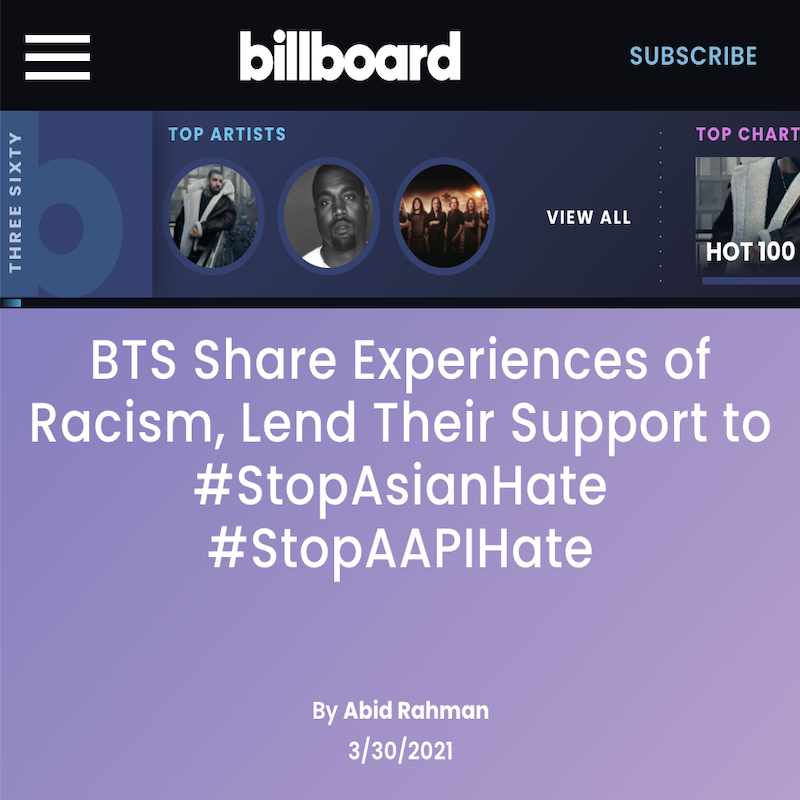
References to celebrities, particularly K-Pop artists such as BTS

Encouragement for healing, respect, and hope within the AAPI community

Expressions of solidarity within the AAPI community and towards other communities/movements such as Black Lives Matter

Commemorations and reflections about AAPI identity (ex. food, culture, experiences)
What are people sharing using #StopAAPIHate?
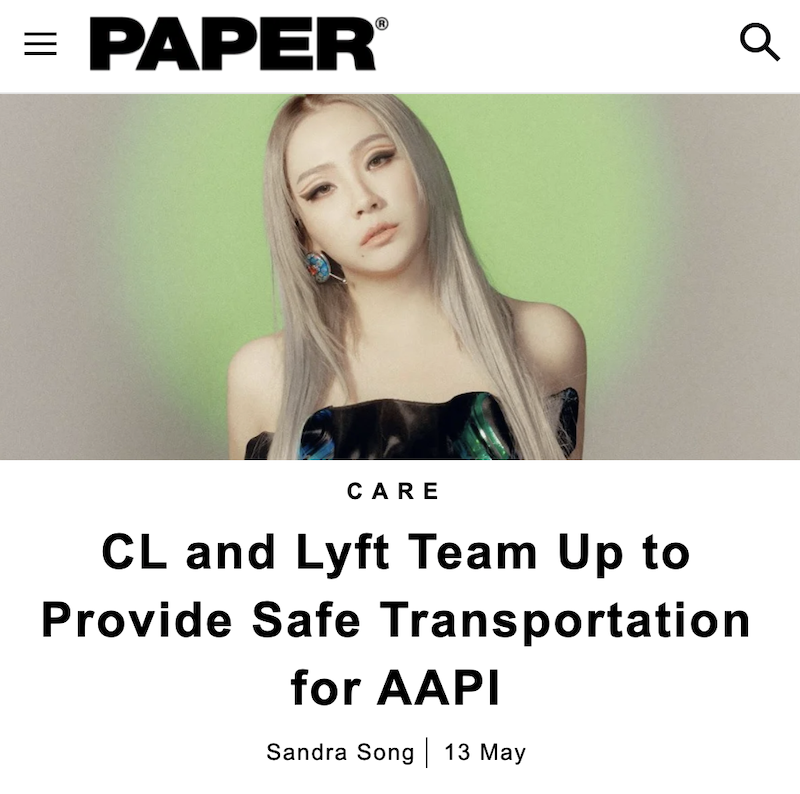
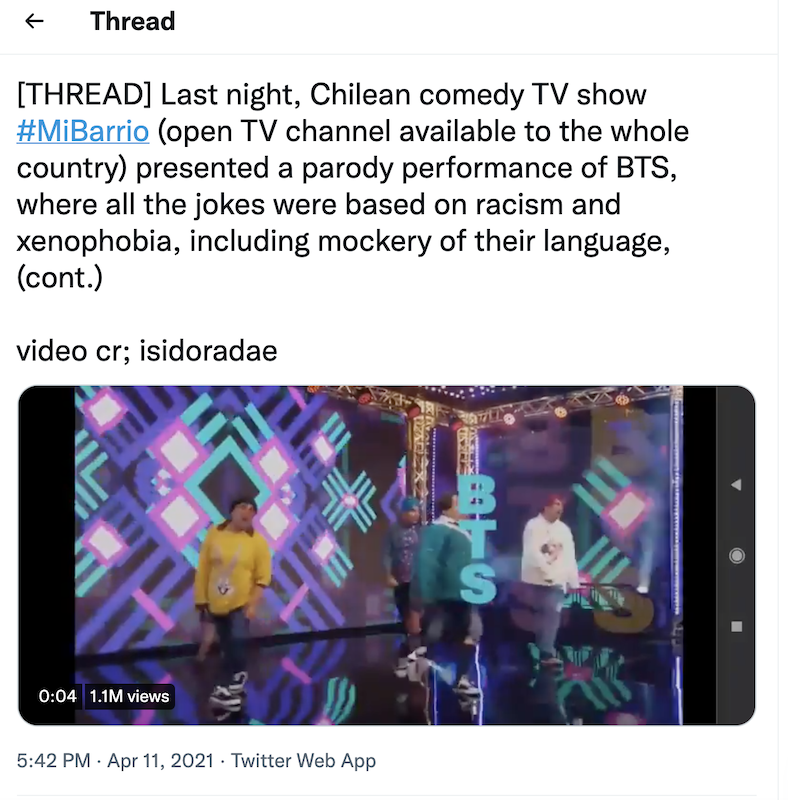
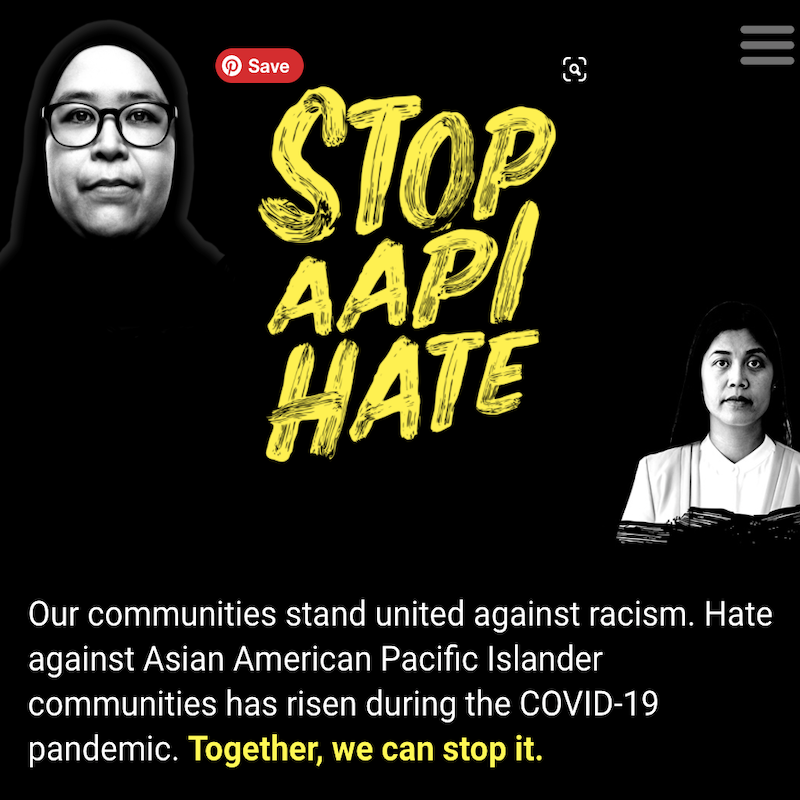
Most Tweets also circulated some form of media. The following articles and links are the top 10 most frequently Tweeted links in Tweets pertaining to #StopAAPIHate/#StopAsianHate. All of the top links referred to articles or videos that confronted anti-Asian discrimination in some way.



Reflections
Working with social media data is a challenge as it tells much information while at the same time, very little. The sheer amount of data for this initial investigation is astounding, with ~214,000 Tweets and ~17,000 different hashtags in four months. Processing that amount of data requires different computational methods and tools at every stages of the data collection, cleaning, analysis, visualization, and interpretation processes. Trends in data provide insight into key issues, players, and topics that are considered notable based on the quantity of datapoints behind them. However, macrolevel analysis does not provide context for these datapoint and may mask the complexity of the specific experiences, perspectives, and voices reflected in the dataset. Additionally, it is important for data practitioners, researchers, and users to be aware of other influences on data collection and interpretation, such as the composition of social media platforms (ex. audience demographics, algorithms, communication methods), the technical constraints of digital tools, and the ways data interpretation can be influenced by assumptions or a lack of context.
#StopAAPIHate Tweets is a starting toolkit for the next steps of the AAPI DigiTalk project, which can now study and address the key concerns expressed by the AAPI community in its internet public discourse (see section “What topics are people talking about with #StopAAPIHate?”). In this way, the parameters for data analysis and research inquiries about internet data will be driven by the AAPI community, for the interests of the AAPI community. At the same time, #StopAAPIHate Tweets is a an example of the ways data visualizations can be used to encourage public engagement with internet data, without infringing on privacy concerns and while maintaining a standard of data transparency.